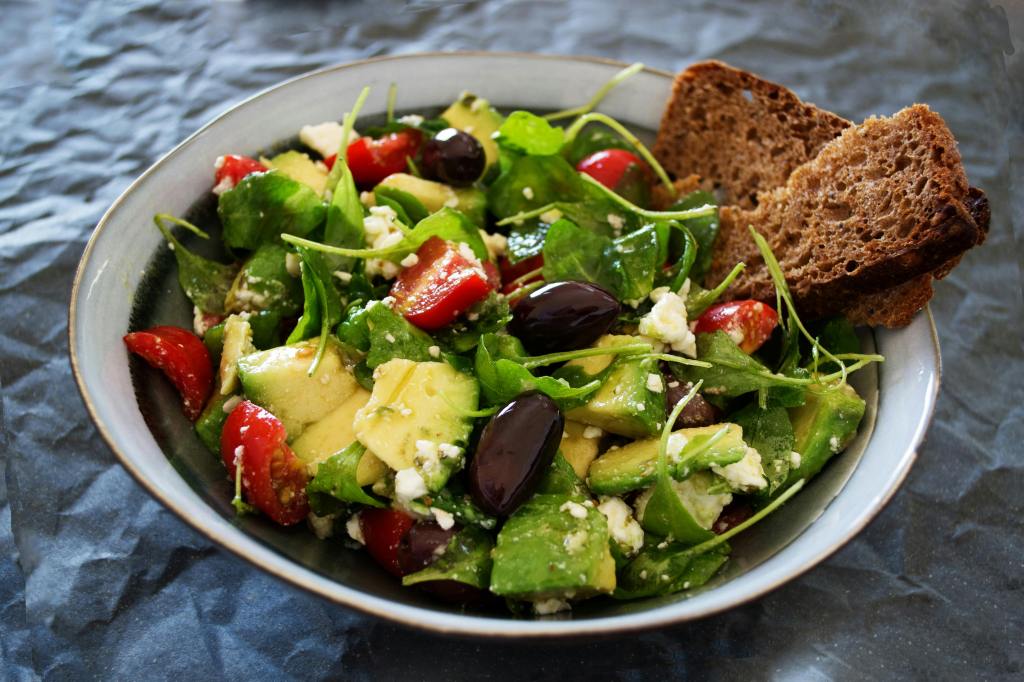
The Mediterranean diet is more than just a way of eating—it’s a lifestyle that emphasizes fresh, whole foods, moderate portions and a balanced approach to nutrition. Originating from the countries surrounding the Mediterranean Sea, this diet has gained worldwide popularity due to its association with numerous health benefits, including heart health, weight management and longevity. Here’s a breakdown of what makes this diet so beneficial and how you can incorporate it into your daily routine.
1. Focus on Plant-Based Foods
At its core, the Mediterranean diet emphasizes a plant-forward approach. Fruits, vegetables, whole grains, legumes and nuts make up the foundation. These foods are rich in fiber, vitamins, minerals and antioxidants, all of which support overall health.
- Vegetables: Aim to fill half your plate with colorful vegetables like spinach, tomatoes, bell peppers and zucchini.
- Fruits: Include a variety of fruits like berries, oranges and grapes.
- Whole Grains: Choose whole grains like quinoa, barley and whole wheat bread over refined grains.
2. Healthy Fats Are Key
Unlike other diets that limit fat intake, the Mediterranean diet encourages healthy fats, particularly from olive oil, which is rich in monounsaturated fats. These fats help lower cholesterol and reduce the risk of heart disease.
- Olive Oil: Use extra virgin olive oil as your primary fat for cooking and dressings.
- Nuts & Seeds: Almonds, walnuts and flaxseeds provide additional healthy fats and are great as snacks or salad toppings.
- Fish: Fatty fish like salmon, sardines and mackerel are rich in omega-3 fatty acids, which support brain and heart health.
3. Moderate Protein Sources
Protein in the Mediterranean diet comes from both plant and animal sources, with an emphasis on lean options like fish and poultry, rather than red meat.
- Fish & Seafood: Aim for fish at least twice a week.
- Poultry: Choose lean cuts of chicken or turkey.
- Legumes: Beans, lentils and chickpeas are excellent plant-based proteins that also add fiber.
4. Dairy in Moderation
Dairy is consumed in smaller amounts, typically as cheese and yogurt. These can be included regularly but are not the focus of the diet. When choosing dairy, opt for Greek yogurt and aged cheeses like feta or Parmesan.
5. Limit Red Meat & Sweets
Red meat is eaten sparingly, usually no more than a few times a month. Processed foods and sweets are also limited, with desserts reserved for special occasions. Instead, fruit is often enjoyed as a naturally sweet treat.
6. Enjoy Meals with Family and Friends
One of the most important but often overlooked aspects of the Mediterranean diet is the cultural tradition of enjoying meals with loved ones. Sharing food in a relaxed, social setting promotes mindful eating and adds to overall well-being.
7. Wine in Moderation
A moderate intake of wine, particularly red wine, is part of the Mediterranean lifestyle. This typically means one glass per day for women and up to two for men. However, this is optional and not necessary for the diet’s benefits.
8. Stay Active
The Mediterranean diet isn’t just about food; it’s also about leading an active lifestyle. Daily physical activity, whether it’s walking, gardening or other forms of exercise, plays a significant role in maintaining health.
Health Benefits
Research has consistently shown that the Mediterranean diet is associated with a lower risk of heart disease, certain cancers, type 2 diabetes and even Alzheimer’s. Its emphasis on whole, nutrient-dense foods and healthy fats makes it an ideal eating plan for those looking to improve their health while still enjoying flavorful, satisfying meals.
The Mediterranean diet is less about strict rules and more about adopting a way of eating and living that promotes balance and enjoyment. By focusing on whole foods, healthy fats and an active lifestyle, you can not only achieve better health but also enjoy a rich, varied diet. Whether you’re looking to lose weight, improve your heart health or simply eat more mindfully, the Mediterranean diet is a great place to start.
Have any recipes you’d like to share?
Let me know in the comments!
Don’t forget to Like me on Facebook and/or follow me on Instagram.

 Crawford Coaching
Leave a comment