
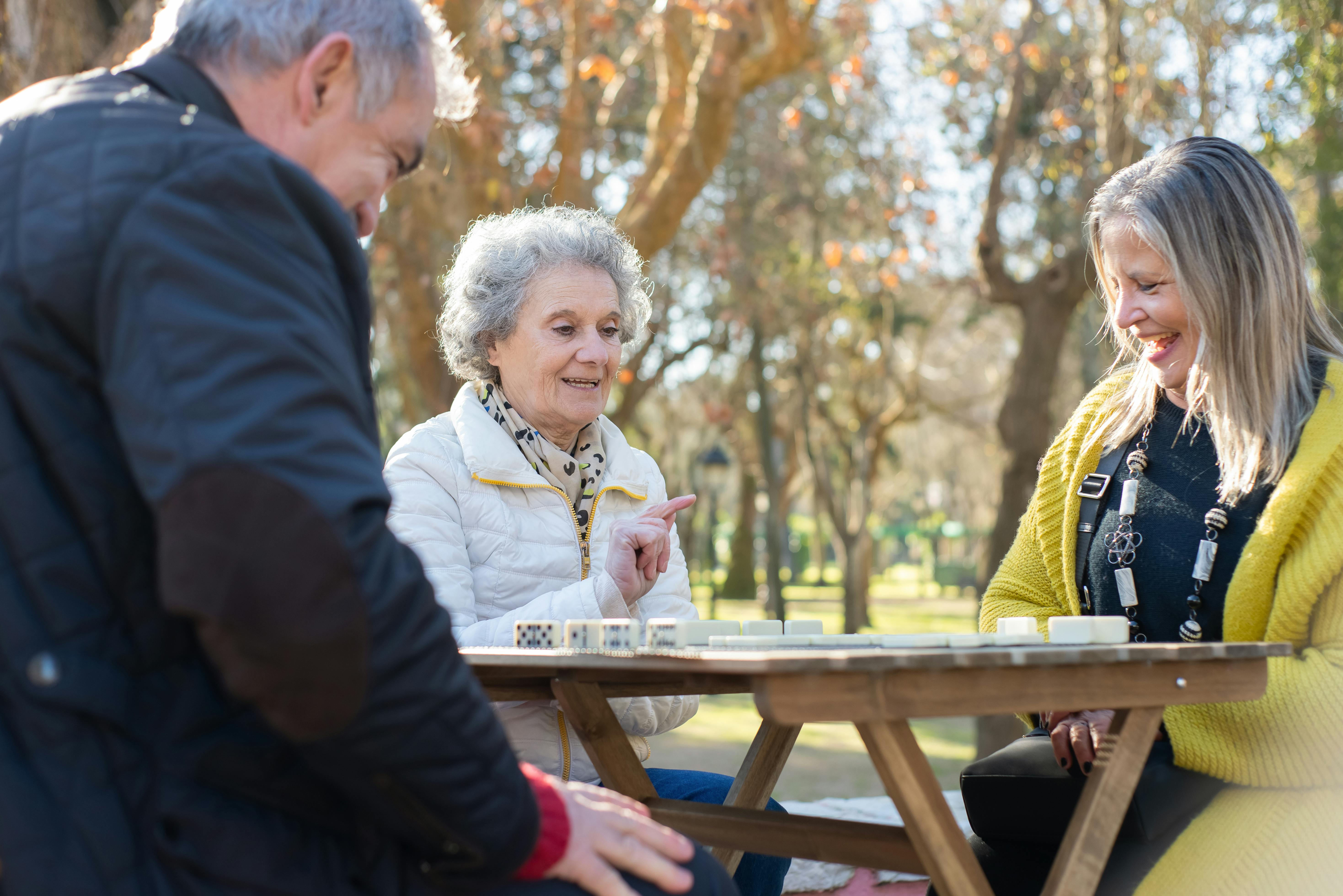
For much of history, community wasn’t something people had to seek out. It was built into daily life. You saw the same people at work, in your neighborhood, at school, at places of worship or at local gathering spots. Connection happened by default.
Today, that’s no longer the case.
Many of us live more independently, work remotely, move frequently and rely heavily on digital communication. While technology has made connection easier in some ways, it’s also made it easier to go long stretches without meaningful, face-to-face relationships. Loneliness isn’t just a personal experience anymore. It has become a widespread public health concern.
Benefits
Community plays a powerful role in wellbeing. Strong social ties have been associated with better mental and physical health, including lower stress and greater longevity. Feeling seen, supported and known by others gives us a buffer against life’s inevitable challenges.
At the same time, building community now requires intention. It takes effort, consistency, and vulnerability, three things many of us are already stretched thin on. This can make the absence of community feel like a personal failing, when in reality, the structures that once supported connection have changed.
Drawbacks
There are also real drawbacks to community that aren’t often acknowledged. Being part of a group can be uncomfortable. It can involve conflict, unmet expectations or the emotional labour of showing up when you’d rather retreat. Community isn’t always warm or easy and that can be discouraging when you’re already overwhelmed.
But meaningful connection doesn’t require a large social circle or constant socializing. Community can look like a weekly walk with a neighbour, a standing check-in with a friend or a group that gathers around a shared interest rather than forced small talk. What matters most is consistency and mutual care.
From a health perspective, isolation and chronic stress can reinforce each other. When we don’t have places to land emotionally, stress compounds quietly. Community doesn’t eliminate stress, but supportive relationships can make stress easier to navigate. It reminds us that we’re not meant to carry everything alone.
Rebuilding community in modern life isn’t about recreating the past. It’s about intentionally choosing connection in small, sustainable ways that fit your life now. It may feel awkward at first. It may take time. But the benefits, emotionally, mentally and physically, are worth the effort.
How will you build community this year?
Let me know in the comments!
Don’t forget to Like me on Facebook and/or follow me on Instagram.

Leave a Reply